
"Luxury A-Replica Goods: The English Language of High-End Imitations"
"Luxury A-Replica Goods: The English Language of High-End Imitations",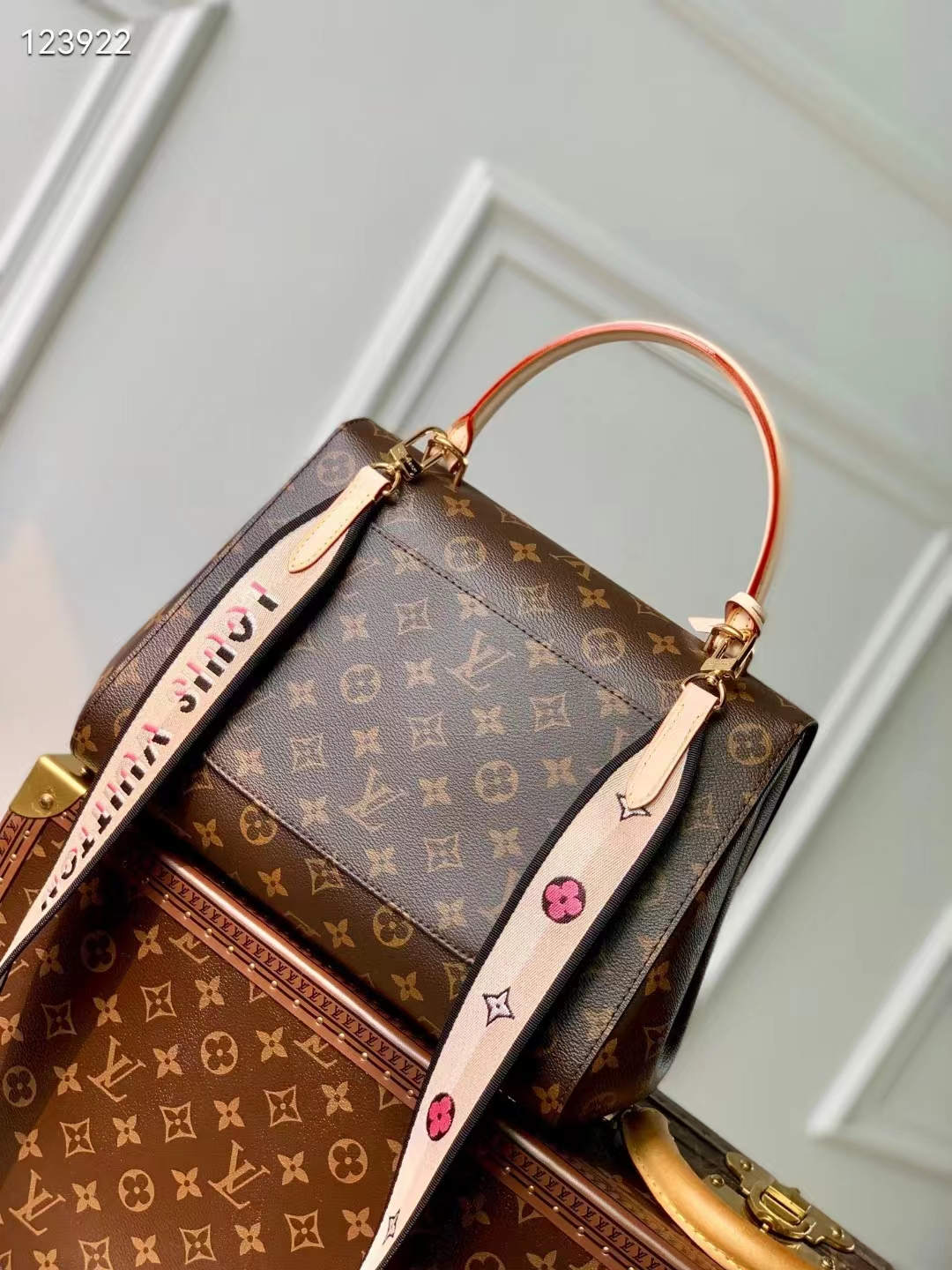
**The A-Grade Luxury Goods: An Examination of the Modern Trend**
Introduction
In the realm of high-end fashion and luxury goods, the concept of "A-grade" has become increasingly prevalent. With the rise of globalization and the internet, the lines between genuine and replica luxury goods have become increasingly blurred. A-grade luxury goods, often referred to as "A货奢侈品", have become a subject of interest and sometimes controversy. These are not just ordinary fakes; they are meticulously crafted replicas that often imitate the genuine products to such an extent that even experts can find it challenging to distinguish them.The term "A货" originated in China, where the manufacturing industry has perfected the art of creating high-quality replicas. These products are often made using high-grade materials and undergo rigorous quality control measures, ensuring they closely resemble their authentic counterparts in terms of design, quality, and functionality. While the term might suggest a lower status than the original, the A-grade replicas have earned a reputation for their impeccable craftsmanship and attention to detail.
The A-Grade Phenomenon: Fashion and Quality Confluence
The attraction to A-grade luxury goods lies in their ability to bridge the gap between aspiration and affordability. For many consumers, purchasing an authentic luxury item might be beyond their budget, but the desire for quality and style remains. A-grade replicas offer them an alternative that is both cost-effective and visually appealing. These products are not just about imitating a brand; they are about offering a luxurious experience at a more affordable price.
Moreover, the rise of social media and e-commerce platforms has given A-grade luxury goods a global market. Consumers can easily access these products, compare them with genuine ones, and make informed decisions. While some might argue that buying replicas is not genuine luxury, the trend reflects a broader cultural shift where quality and style are valued more than ever before, regardless of the original brand status.
However, it's important to note that buying A-grade luxury goods also comes with certain ethical considerations. While some replicas might offer an affordable entry point into the world of luxury, others might infringe on intellectual property rights or contribute to unethical manufacturing practices. Consumers should exercise caution and opt for brands that prioritize transparency and ethical production practices.
Conclusion
The A-grade luxury goods phenomenon is a testament to the evolving consumer preferences and changing socio-cultural norms. It reflects a broader shift in the way we perceive value, where quality and style are no longer confined to high-end brands but can be found in meticulously crafted replicas too. As this trend continues to evolve, it will be interesting to see how the luxury goods industry adapts to this new reality and what impact it has on consumer behavior and perceptions.
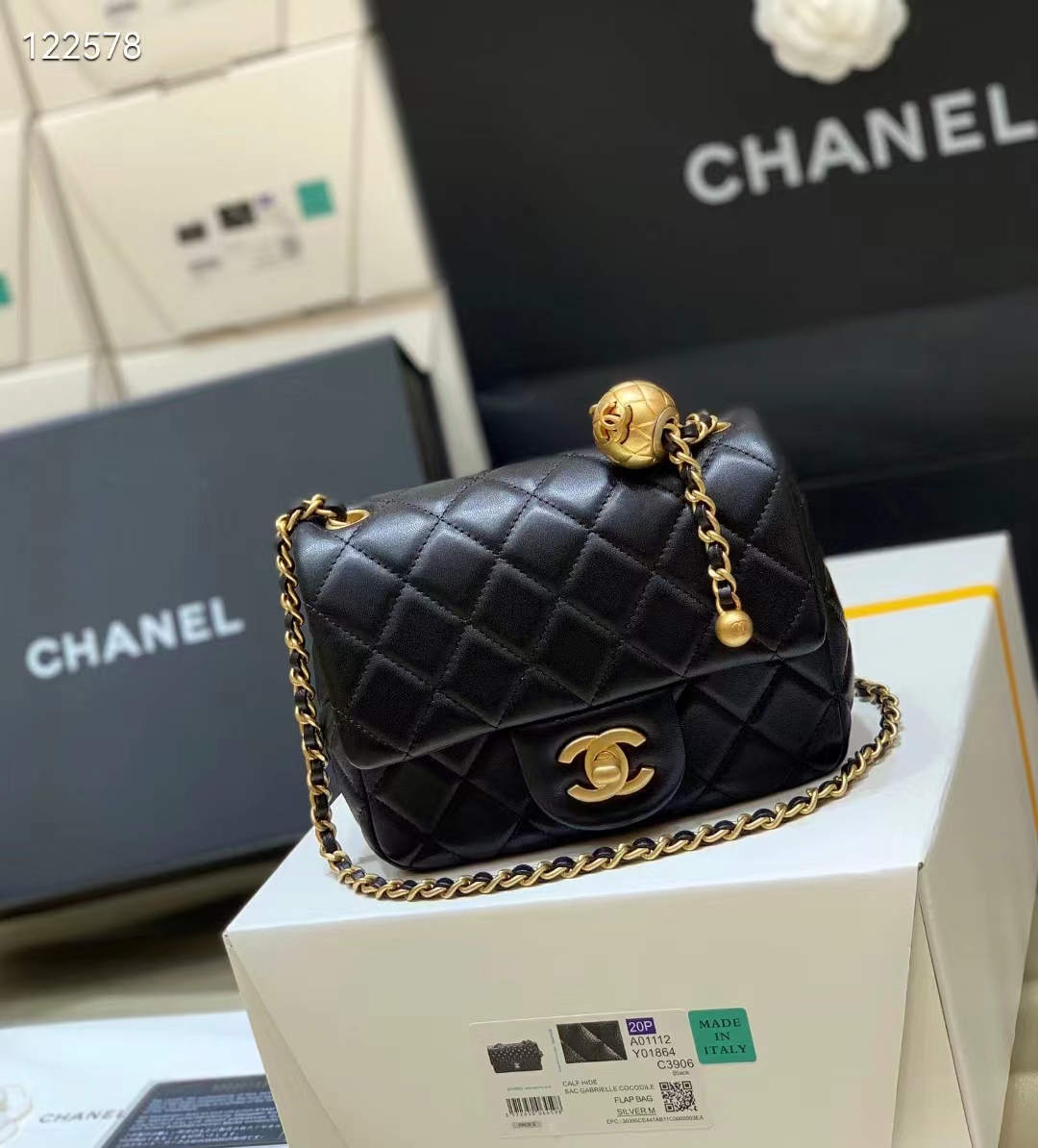
- "Guangzhou's Largest Fashion Luxury Replica Clothing"
- "1:1 Replica Luxury Belt - The Ultimate Guide to Quality and Style"
- Luxury Replica 1:1 Clothing - A Glamororous Trend Analysis
- Luxury Clothes Replica Prices in Guangzhou: A Guide to the Best Offers.
- Luxury Jewelry Replica Source Market: A Closer Look
- "How to Source Luxury Replicas in Guangdong: A Guide to Procurement"
- Where to Find Replica Luxury Goods Stores in Xingtai
- "Guangzhou Fashion Luxury Replicas: The New Trend"