
Title: "High-End Replica Bags Faked as Vintage for Second-Hand Sale"
Title: "High-End Replica Bags Faked as Vintage for Second-Hand Sale",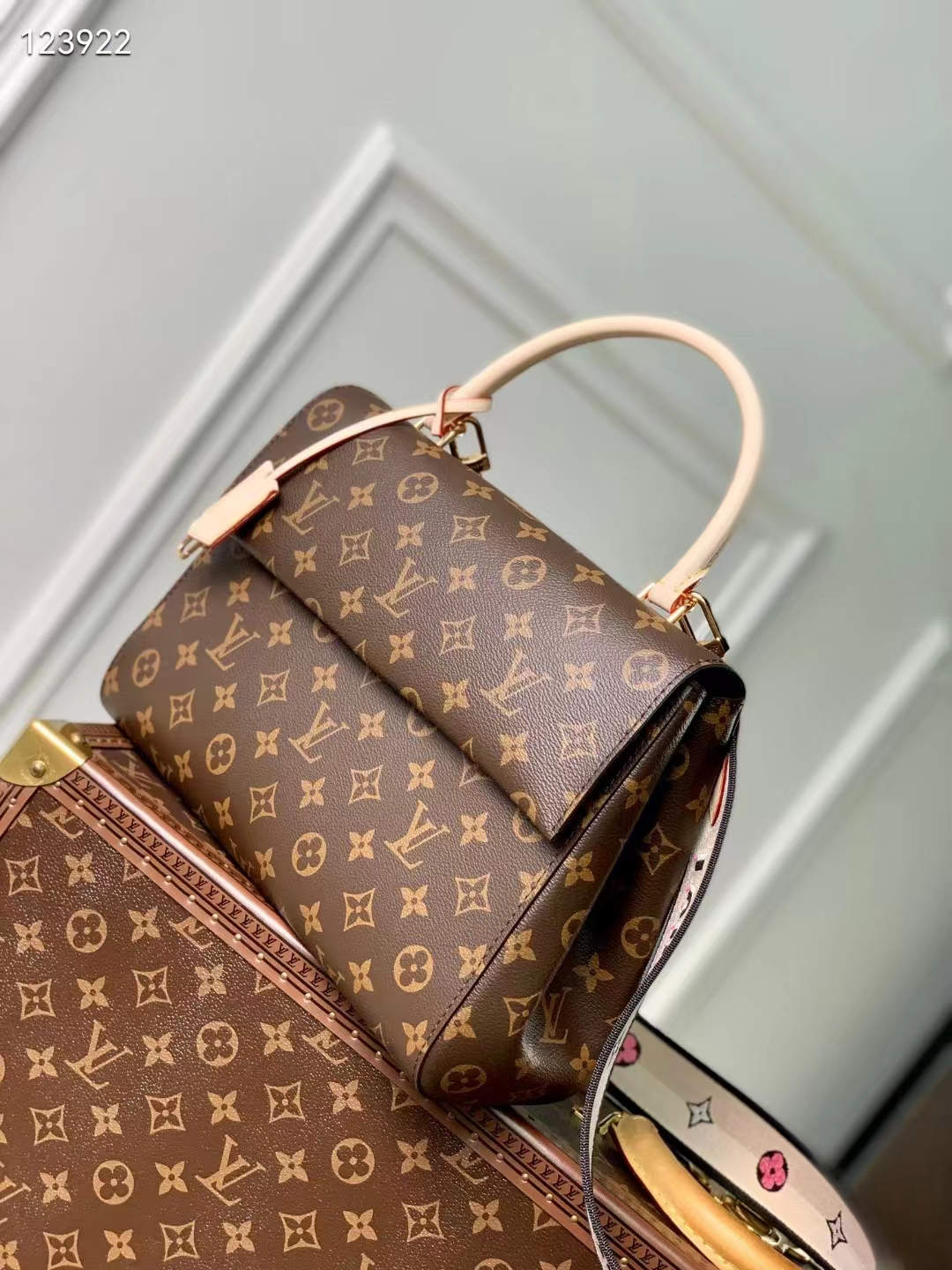
High-end Replica Bags: Reselling as Old Authentic Second-Hand Merchandise
In the realm of fashion, the pursuit of unique and luxurious accessories has always been a hot trend. One particular segment that has become increasingly lucrative is the trade of high-end replica bags, which are skillfully aged and passed off as genuine second-hand items. This practice involves several ethical and legal considerations, calling into question the boundaries of consumer deception and the implications for both parties involved.
The Allure of High-end Replica Bags
High-end replica bags are meticulously crafted to imitate the designs of luxury brands. With meticulous attention to detail and sophisticated manufacturing techniques, these replicas often bear a striking resemblance to the originals. The demand for such bags is high, driven by consumers seeking affordable luxury items without the high price tag. However, some sellers capitalize on this demand by taking the unethical step of passing off these high-quality replicas as second-hand originals.
The Problem of Reselling as Old Authentic Merchandise
The practice of aging high-end replicas and selling them as second-hand genuine products poses a serious ethical challenge. Firstly, it deceives consumers who are looking for genuine pre-owned bags, often paying higher prices for what they believe is an authentic product. This behavior not only misleads consumers but also undermines the reputation of genuine second-hand merchandise marketplaces. Furthermore, it questions the integrity of sellers who are willing to compromise their ethics for short-term profits.
Moreover, this practice may have legal implications. Selling replica items as genuine can constitute fraud and may be subject to legal action. As the fashion industry becomes more aware of such practices, regulations and consumer protection measures may be put in place to combat such deceitful behavior.
The Impact on Consumers and the Fashion Industry
The consequences of this practice extend beyond the individual seller and consumer transaction. It tarnishes the reputation of both second-hand markets and the fashion industry as a whole. As trust in these markets erodes, it becomes more challenging for genuine sellers to conduct business without facing the scrutiny of consumers who may be skeptical of all products, genuine or not. Furthermore, it affects the way consumers perceive value and may lead to a culture of short-term gain over genuine appreciation for quality and craftsmanship.
Conclusion:
In conclusion, the practice of selling high-end replicas as old authentic second-hand merchandise is an ethical and potentially legal minefield. It not only deceives consumers but also undermines the integrity of genuine second-hand markets and the fashion industry as a whole. With increasing awareness and potential regulation, it is imperative for all parties involved to operate with honesty and transparency to ensure a fair and sustainable industry landscape.
- "Guangzhou's Largest Fashion Luxury Replica Clothing"
- "1:1 Replica Luxury Belt - The Ultimate Guide to Quality and Style"
- Luxury Replica 1:1 Clothing - A Glamororous Trend Analysis
- Luxury Clothes Replica Prices in Guangzhou: A Guide to the Best Offers.
- Luxury Jewelry Replica Source Market: A Closer Look
- "How to Source Luxury Replicas in Guangdong: A Guide to Procurement"
- Where to Find Replica Luxury Goods Stores in Xingtai
- "Guangzhou Fashion Luxury Replicas: The New Trend"